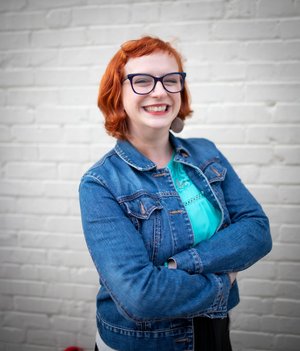
On Coming Out and Pride by Jamie Zane Brazell
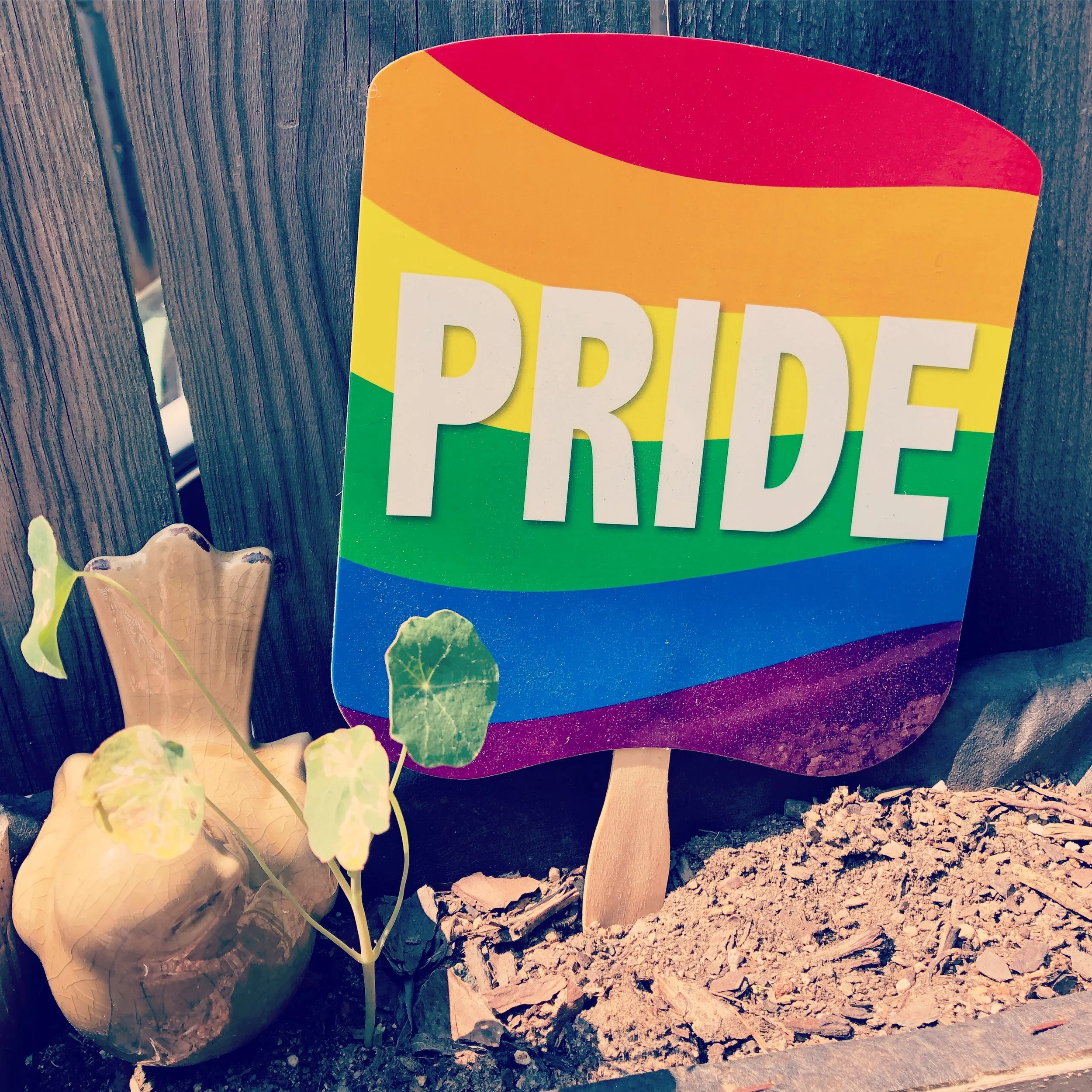
I think that pride is a good antonym for shame.
If shame tells us we are inherently bad or unlovable then surely pride tells us that we are worthy and we belong. That’s the whole point, isn’t it?
I came out as bisexual when I was in high school. This was in the 90s and it was common to hear things like, “Female sexuality is fluid.” So when a boy or man came out as bi, it was assumed that he was actually gay and it was just a matter of time before he was fully out about it. But for me it was probably seen as some sort of rebellion, fad, or even a performance act for men. I reject all of those assumptions.
I did struggle with my own internalized homophobia before I was honest with myself about my attraction to women. It still makes me cringe to think about a situation when I was in love with my best friend, she kissed me in our room one night at field hockey camp, and I immediately went cold, saying, “Your not going to do that again, are you?” If I were magically granted a number of times to go back in time and redo something I did or said, that moment would easily be in my top five.
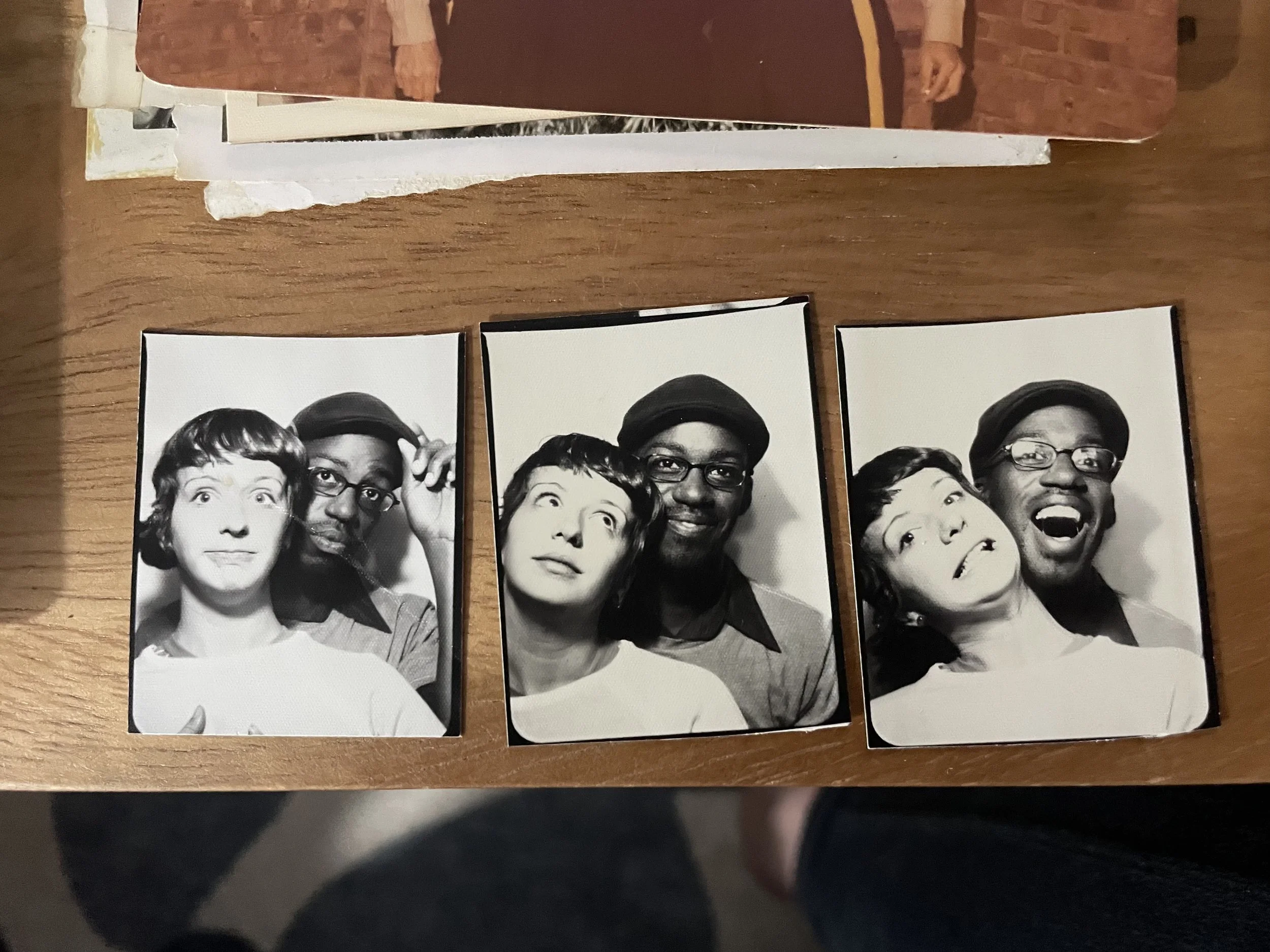
Devo & Me, FG since the 90s
FG = our code for F-ing Gay
It felt somehow safer to come out when I moved from Catholic school to public school in 10th grade. Maybe it was falling in platonic love with another bestie who was openly gay in our New Jersey high school in the 90’s. Thinking back on what we were on the heels of - the HIV/AIDS crisis - and in the midst of - Ellen’s “Yep, I’m gay” announcement on the cover of Time magazine. it still wasn’t exactly safe to come out and yet here was Devo - the leader of our flaming little queer club, snapping in the hallways when we saw each other. Theatre kids who defied conventional coolness with our manic-pixie 90s edge.
Since those precious days, I have come out many, many times.
I did the thing that a lot of bi women do and I married a heterosexual man. This means I feel compelled to come out to anyone who is new to me - especially since I am the owner of this practice and we wave rainbow flags all year long. They don’t disappear in July like the Halloween decorations do in November. Pride is a daily commitment for us.
So yes, I married a cis man, but I still get to be queer. It’s uncomfortable for me sometimes when I meet someone new and I’m using the word husband. That’s usually the moment when I feel like I have some explaining to do - because how can I own this incredibly sex-positive, queer-celebrating practice and be in such a hetero-normative looking relationship? There’s a privilege in passing, but it’s not worth the shame of staying closeted and the betrayal I would feel if I pretended as if my identity shifted just because I married someone who would be deemed socially acceptable by people I don’t care about.
Bi people sometimes feel like we don’t have a place in straight land or in queer land, but I really don’t suffer from that problem because I am surrounded by chosen-family queer community and that makes me feel both seen and safe in the world. I do think it’s not unusual for any queer person to have multiple coming out stories. And it’s also sadly not unusual for queer people - even this far away from my days in the 90s - to grapple with internalized homophobia or to find themselves in unfriendly environments that cause them to remain in the closet until it’s safe to emerge.
Coming out stories are plural because a queer person doesn’t just come out once, but often they are required to identify themselves over and over again any time they meet someone new, find themselves in an unfamiliar environment, change jobs. And it’s obviously not always safe to be honest about who we are - sometimes even to ourselves in certain circumstance.
I know that it’s helpful to others when queer people stay visible and show that we are unashamed of who we are. So in honor of the end of Pride month, I just wanted to put it on record that I’m here, still definitely queer, and most certainly not ashamed of it.